
Contactless Delivery in 2025: A Strategic Guide for Global Enterprise Growth
The world of global commerce isn't just changing; it’s being completely rewritten. What started as a temporary fix for a global health crisis—contactless delivery—has firmly cemented itself as the new gold standard for shoppers everywhere. We’ve moved far beyond simply dropping a box on a porch. Today, it’s a high-stakes game involving digital ID, surgical logistical precision, and AI-driven workflows. Whether you’re scaling a brand in Turkey, navigating the EU market, or expanding across Asia, your delivery strategy is often the thin line between market leadership and obsolescence. Think of your digital setup as the central nervous system of this entire operation.
Defining Modern Contactless Delivery
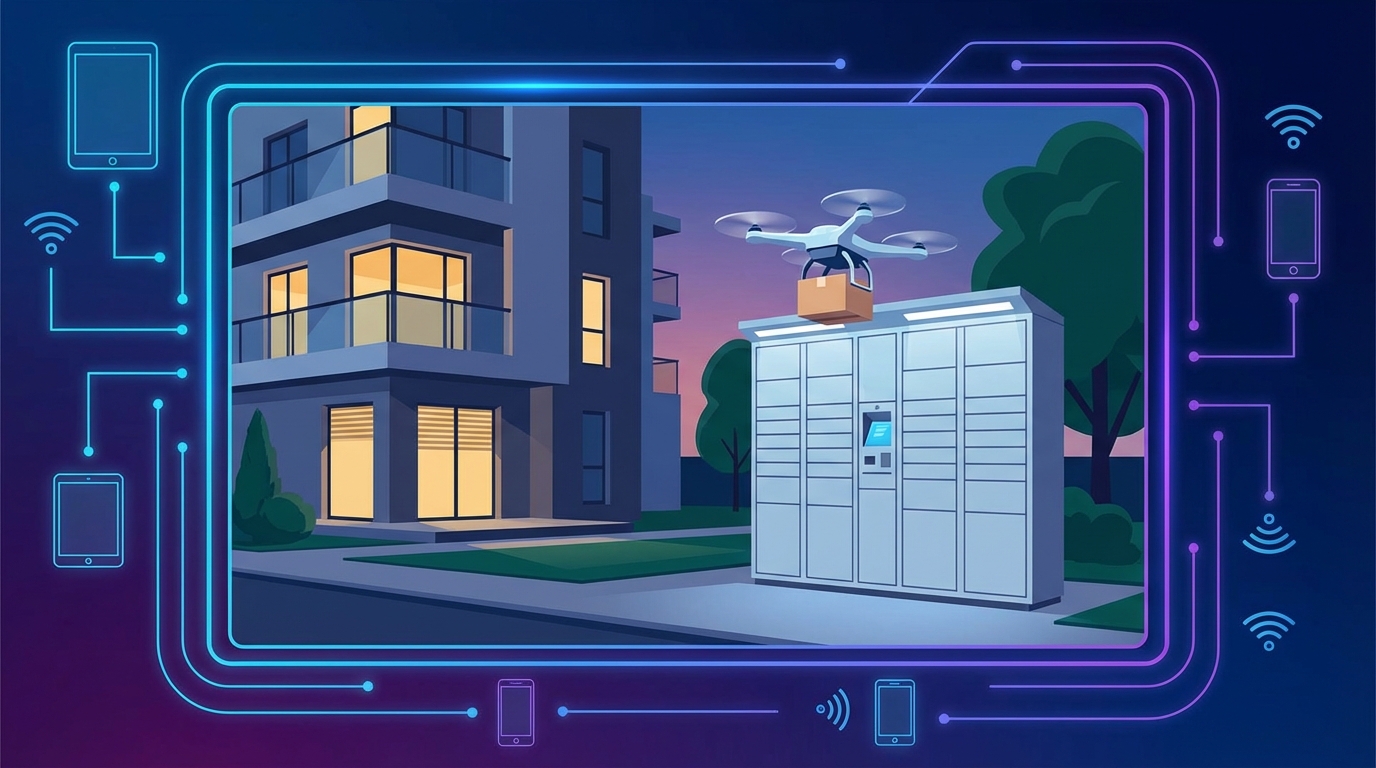
At its most basic level, contactless delivery is a fulfillment method designed to cut out the physical hand-off between courier and customer. But by 2025, it’s matured into something much more interesting: a data-heavy process that balances speed with an obsession over security and privacy. Modern customers aren't just buying products—they're buying time. This cultural shift has forced businesses to get serious about their digital tools. A professional operation now manages the whole lifecycle—often starting with a simple Link in bio for Instagram and wrapping up with a secure confirmation via a Dynamic QR code with analytics.
Let’s talk numbers: the financial upside is hard to ignore. Companies that have fully automated their notification and drop-off protocols are seeing a 30% jump in operational efficiency. Why? Because when you remove the manual back-and-forth and the messy disputes over "missing" packages, you save a staggering amount of time and money.
The Technical Infrastructure of Zero-Touch Logistics
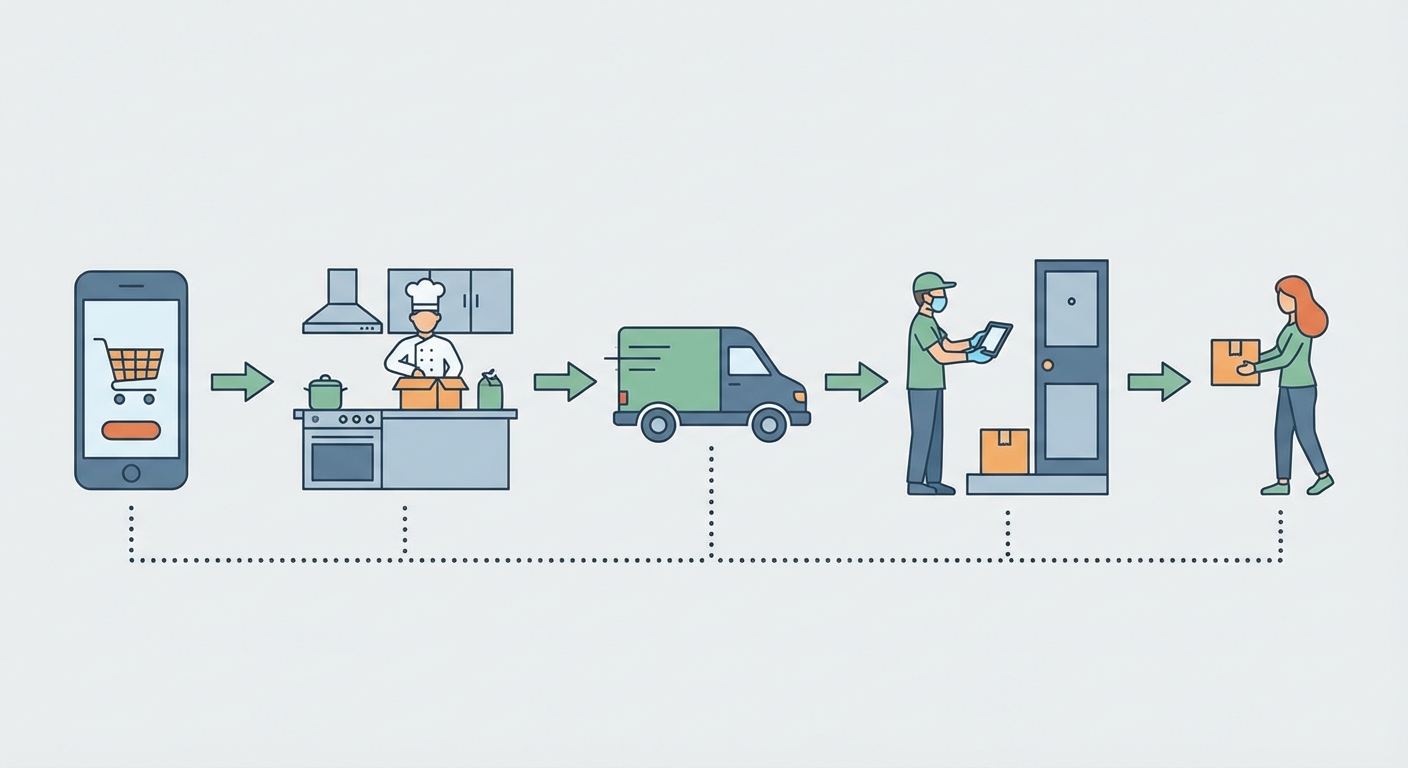
Building a successful zero-touch system isn't about luck—it's about having a rock-solid tech stack. If you're leading a business today, you need to know what makes this engine purr. Here’s how the modern workflow actually looks:
1. Digital Ordering and Social Commerce
The journey starts way before a driver hits the road. In places like Turkey or Southeast Asia, social media isn't just for scrolling—it's the primary storefront. A smart bio link strategy ensures that when a customer sees something they like, they can buy it instantly without jumping through hoops. No cash, no friction, just a few clicks and a secure payment.
2. Real-Time AI Notifications
Trust is the only currency that matters in contactless delivery. AI tools now handle the heavy lifting by sending real-time pings via WhatsApp or SMS. These aren't just "your order is on the way" texts; they’re transparent windows into the delivery's progress. This clarity keeps customers calm and slashes the number of failed delivery attempts—which, as any logistics manager knows, are a total budget killer.
3. Geofenced Proof of Delivery
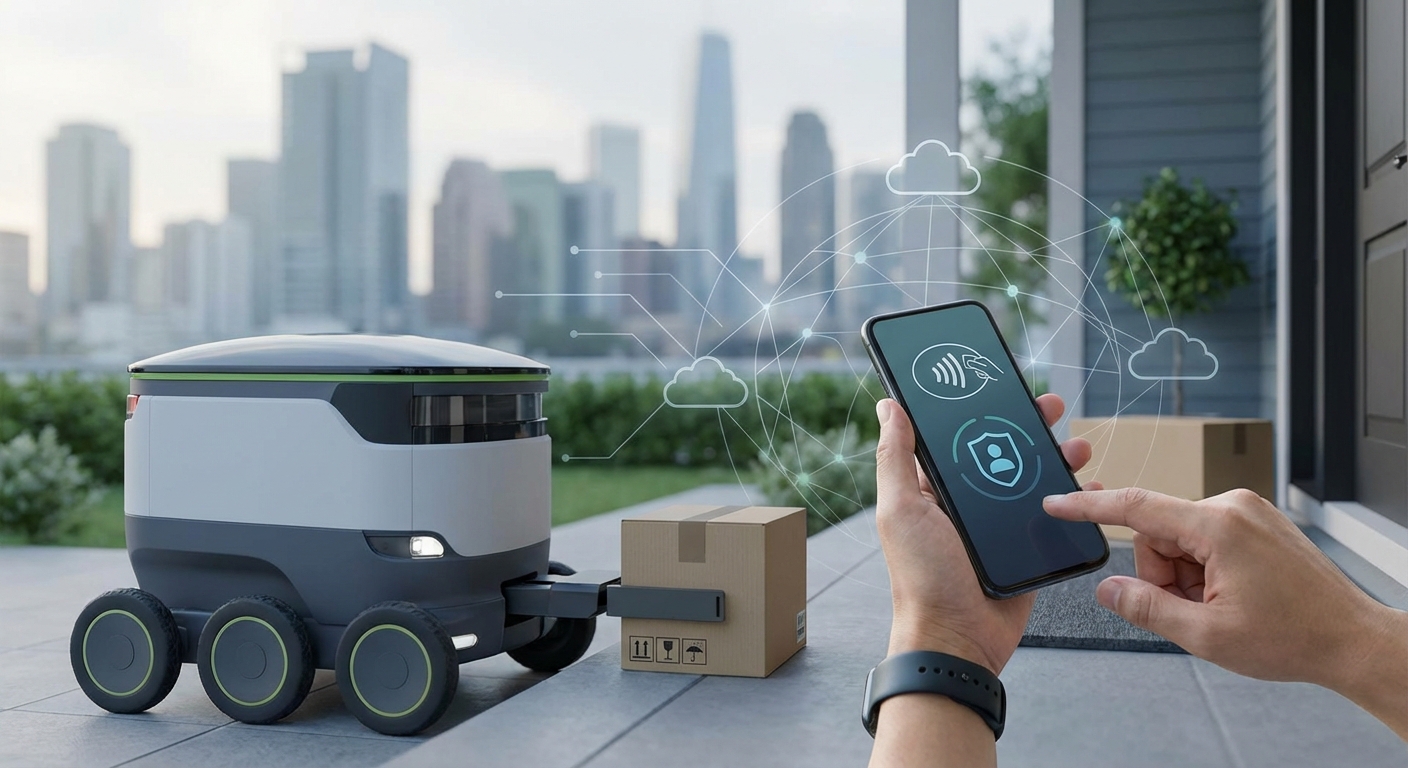
The final drop-off is now a high-tech event. We’re talking about photos of the package in situ, digital tokens, and geotagged timestamps. This creates a digital paper trail that’s basically impossible to argue with. This level of verification is what keeps both the brand and the buyer safe from fraud or simple misunderstandings.
Market Insights: Turkey, Europe, and Asia
Turkey: The Speed Obsession
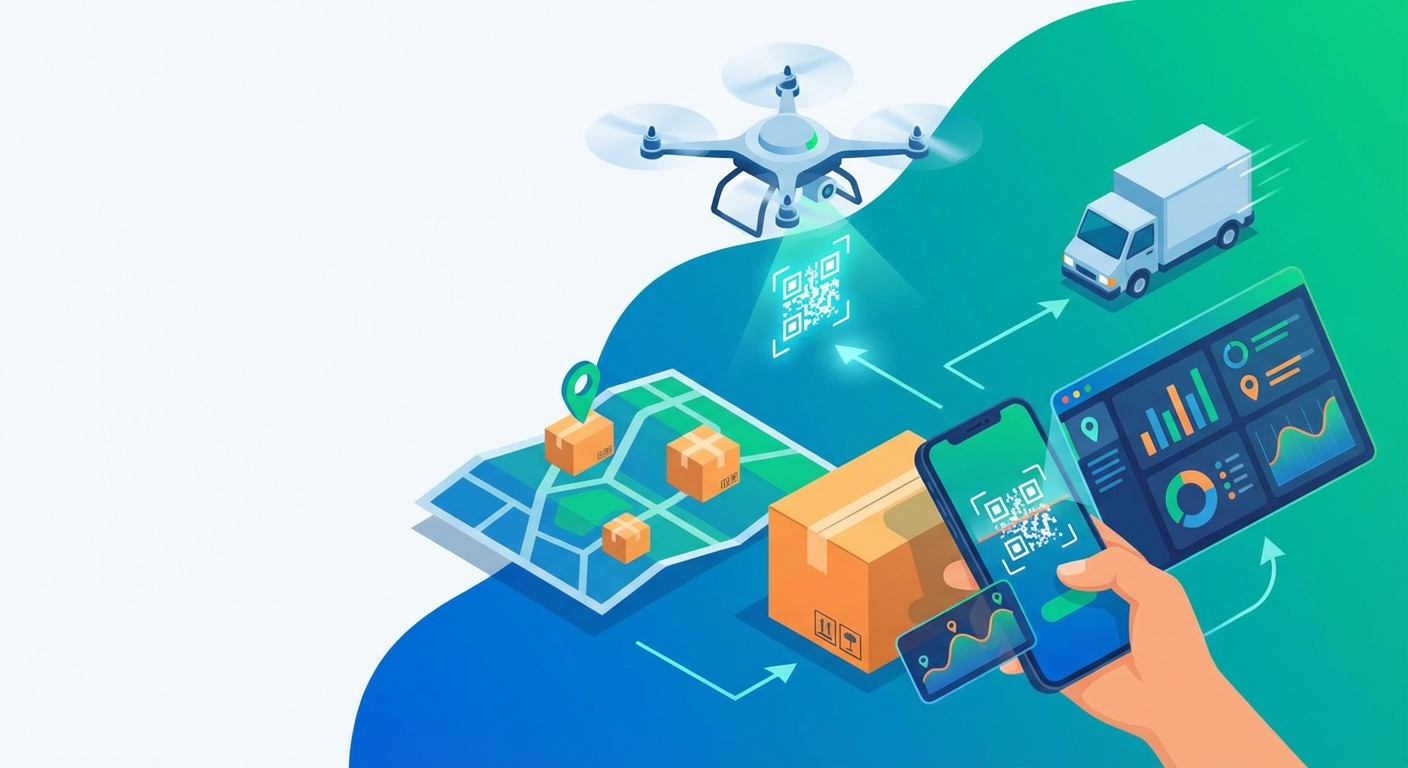
In Turkey—especially in high-octane cities like Istanbul—speed is everything. Consumers there don't just want their orders today; they want them in under an hour. To keep up, local businesses are leaning heavily into a Dynamic QR code with analytics to track fleet performance in real-time and shave minutes off every route.
Europe: The Privacy Paradox
The European market is a bit of a different beast. Here, you’re balancing strict GDPR rules with a massive push for "green" logistics. Contactless delivery in the EU often involves smart lockers and centralized hubs to cut down on carbon emissions. For these customers, knowing exactly what is happening with their data is just as important as the package itself.
Asia: The Super-App Ecosystem
Across much of Asia, delivery isn't a standalone service—it’s baked into "Super-Apps." Everything from the first discovery to the final feedback loop happens in one ecosystem. AI agents are the norm here, handling customer queries at a scale that human teams simply couldn't touch without burning through cash.
Leveraging Dynamic QR Codes with Analytics
The humble Dynamic QR Code has quietly become the MVP of the logistics world. Unlike the static codes of the past, dynamic versions can be updated on the fly. You can change the destination URL even after the code is printed on a thousand boxes. It’s flexible, it’s smart, and it’s a marketing powerhouse.
When you start using a Dynamic QR code with analytics, you’re basically getting a roadmap of customer behavior:
- Heatmaps: See exactly which neighborhoods are your biggest fans.
- Timing: Pinpoint peak scan hours to better manage your staff.
- Tech Specs: Know if your users are on iPhone or Android to tweak your site.
- ROI Tracking: Figure out what marketing campaigns are actually driving sales.
Optimizing Your Link in bio for Instagram
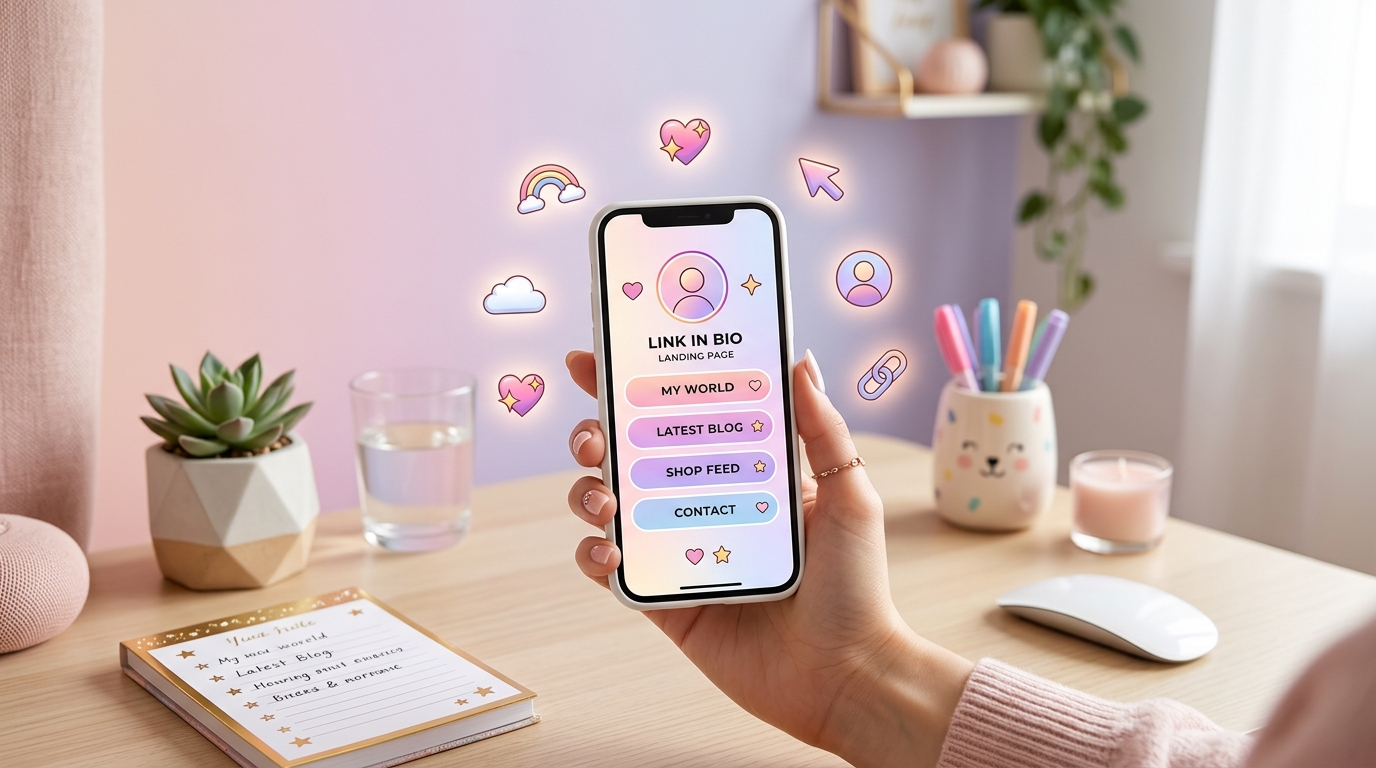
Instagram has evolved from a gallery into a full-blown digital mall. Your Link in bio for Instagram is essentially your front door. If it’s cluttered, confusing, or broken, people aren't going to stick around to figure it out—they’re just going to leave.
To actually convert followers into customers, your bio link needs to be a well-oiled machine. It should offer:
- One-click access to your delivery menu.
- A "Track My Order" button that actually works.
- An AI-powered help desk for quick questions.
- A clear path to current promos.
Using a professional platform like Qret.me lets you build these mobile-optimized hubs in minutes, making sure you don't lose sales to a clunky user experience.
AI Digital Twins: The Future of Fulfillment
Have you heard of an "AI Digital Twin"? It’s essentially a 24/7 digital version of your smartest employee. It knows your inventory, your delivery zones, and your company policies inside and out. It’s the next big leap in business automation.
Think about it: a customer asks if you deliver to their specific street at 11 PM. Instead of waiting for a human to wake up and reply, the AI Twin checks driver availability and confirms the order in seconds. This is what allows a small business to look and act like a global giant. It ensures you never miss a lead just because you were "out of the office."
A Step-by-Step Implementation Roadmap
Moving to a fully digital delivery system sounds like a lot, but it’s manageable if you break it down into stages:
Phase 1: Organize Your Digital Identity
First, get your house in order. Make sure your Instagram, TikTok, and other socials all point to one unified, high-converting landing page. A Digital Menu system is great for this—it keeps your prices and stock levels synced everywhere at once.
Phase 2: Get Smart with Tracking
Stop using plain packaging. Add a QR code that lets customers track their order, watch a setup video, or leave a review. This isn't just a gimmick; the data you get back from these scans is pure gold for optimizing your business.
Phase 3: Let AI Take the Wheel
Bring in an AI agent to handle the boring stuff—FAQs, order status, and basic troubleshooting. This frees your human team to handle the real problems that need a personal touch. You can dive deeper into these strategies on our enterprise blog.
Why Qret.me is the Industry Benchmark
In 2025, you can't just patch together a bunch of random apps and hope for the best. You need an ecosystem. Qret.me was built to be that "all-in-one" solution for brands that want to look professional. When you look at what a modern business actually needs, Qret.me hits every note:
- Pro Bio Link Pages: Specifically built for businesses that sell and deliver.
- Intelligent AI Agents: A Digital Twin that sounds just like your brand.
- Dynamic QR Management: Deep analytics so you’re never guessing.
- Ample Storage: 15GB to keep your digital assets safe and accessible.
Take a look at our pricing plans to see what works for your current scale. We’ve simplified the tech so you can focus on the growth.
Frequently Asked Questions
Why should retailers even bother with contactless delivery now?
It’s about more than just germs. It’s faster, it reduces the risk of cash handling, and it gives you a digital trail of every single order. It’s just better business.
Is there a real difference between QR codes?
A huge one. Static codes are "dumb"—you can't change them once they're printed. A dynamic code is "smart." You can change where it points tomorrow morning, and you get to see exactly who scanned it and where. That’s what makes it a marketing tool rather than just a barcode.
Is AI support hard to set up?
Not anymore. With tools like Qret.me, it’s a "no-code" deal. You give it your info, and the AI learns your business. You don't need to be a developer to have high-end tech on your site.
Does a bio link really help with delivery?
Absolutely. It’s the bridge. Most people find brands on social media; the bio link is the shortcut that takes them from "cool photo" to "order placed" in seconds.
Conclusion
At the end of the day, knowing what goes into a world-class delivery service is how you stay relevant. By 2025, the companies winning the market are the ones that have mastered their digital tools. Whether it's using a Dynamic QR code with analytics or perfecting your Link in bio for Instagram, these aren't just "nice-to-haves" anymore—they are the requirements. Don't leave your growth to luck. Connect with Qret.me today and see how a professional Digital Twin can change the game for your business.